

Description
The bruises from psychological abuse are invisible.
That is precisely what makes them so dangerous — and so difficult to heal from. The person who has been physically harmed has a language for what happened. They can point to it, name it, show it. The person who has been psychologically abused has something far more disorienting: the specific creeping suspicion that something is deeply wrong, paired with the specific constant gaslighting that convinces them the problem is themselves.
It happens in marriages. In families. In friendships. In workplaces. In churches. The specific person doing the harm — the covert narcissist, the emotional manipulator, the chronically controlling partner — is often the person that every outsider sees as charming, capable, and kind. The abuse happens behind closed doors, in whispered accusations, in twisted reframings of reality, in the specific slow erosion of the survivor’s confidence, identity, and sense of what is real.
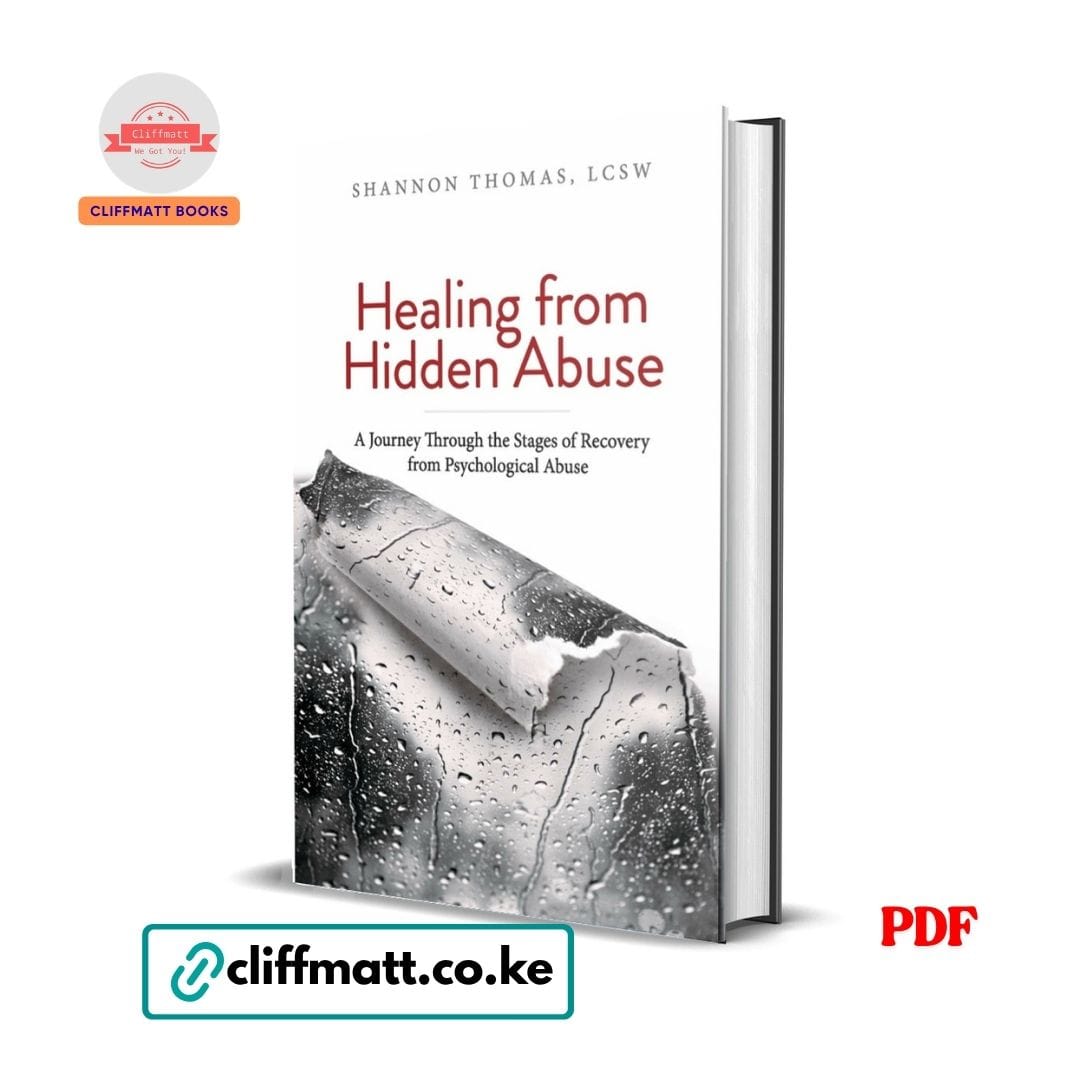
Shannon Thomas — Licensed Clinical Social Worker, therapist, and one of the most widely respected voices in the field of psychological abuse recovery — wrote Healing from Hidden Abuse because she watched her clients struggle with a recovery process that no one had given them a roadmap for. The bruises were real. The damage was profound. But because the abuse was hidden, the recovery had to be navigated largely in the dark.
This book turns the lights on.
Healing from Hidden Abuse: A Journey Through the Stages of Recovery from Psychological Abuse is the complete, clinically informed, compassionately written guide to every stage of the recovery journey — from the specific first moment of recognition through the specific hard work of healing through the specific rebuilding of a life that is genuinely free from the specific shadow of the abuse that tried to define it.
What This Book Covers:
Understanding Hidden Abuse — Naming What Happened:
- The specific definition of psychological abuse — the particular patterns of covert narcissistic behaviour, emotional manipulation, gaslighting, financial control, spiritual abuse, and the specific cycle of idealization, devaluation, and discard that characterises the hidden abuser’s relationship pattern; why these patterns are so difficult to recognise from the inside and so obvious in retrospect; how Shannon Thomas gives survivors the specific clinical language that names what happened and begins the specific healing that naming makes possible
- The specific hidden abuser profile — the particular combination of public charm, private cruelty, and the specific need for control that drives the hidden abuser’s behaviour; why the specific person that the survivor’s friends and family see — attentive, reasonable, even admirable — is so different from the specific person the survivor lives with behind closed doors; how this specific discrepancy is not the survivor’s imagination but one of the most specifically diagnostic signs of the specific hidden abuse pattern
- The specific gaslighting mechanism — how the hidden abuser systematically undermines the survivor’s confidence in their own perception, their own memory, and their own judgment; the particular phrases (“You’re too sensitive,” “That never happened,” “You’re imagining things”) that accumulate into the specific erosion of the survivor’s trust in their own reality; why naming gaslighting is the specific most important first step of recognition
- The specific trauma bond — the particular psychological attachment that forms between survivor and abuser; why the survivor who genuinely loves the person who is harming them is not weak or foolish but is experiencing the specific neurobiological response to intermittent reinforcement that the cycle of abuse consistently produces; why breaking the trauma bond is one of the most difficult and most important dimensions of recovery
The Six Stages of Recovery — Thomas’s Core Framework:
Stage 1 — Fog:
- The specific experience of the survivor still inside the abusive relationship or freshly outside it — the particular confusion, the specific self-doubt, and the specific inability to see clearly what has been happening; why the fog is not stupidity but the specific predictable neurological and psychological response to sustained gaslighting and emotional manipulation
- The specific survivor’s internal experience in Stage 1 — the particular oscillation between knowing something is deeply wrong and being convinced that the problem is themselves; the specific exhaustion of constant emotional vigilance; the specific isolation that the hidden abuser has typically engineered to prevent outside perspective from reaching the survivor
- What survivors need in Stage 1 — not challenge or confrontation but the specific validation that their specific experience is real, the specific information that names what is happening, and the specific safety to begin the specific journey out of the fog without being pushed faster than the specific process allows
Stage 2 — Awakening:
- The specific moment of clarity — the particular experience of finally seeing the abusive pattern with the specific undeniable recognition that the fog has been preventing; what produces this awakening (a specific incident that crosses a visible line, a specific outside perspective that breaks through the isolation, a specific book or resource that names what the survivor has been living with)
- The specific complicated feelings of awakening — how recognition does not produce immediate relief but the specific combination of validation (finally knowing it is real), grief (mourning the relationship that the survivor hoped it was), anger (at what was done), and the specific fear of what comes next that makes the awakening stage simultaneously clarifying and overwhelming
- How Thomas guides survivors through the awakening stage — the specific reassurance that complicated feelings are appropriate, the specific permission to grieve, and the specific first practical steps of the recovery process that the clarity of awakening makes possible
Stage 3 — Boundaries:
- The specific boundary-building work — the particular skills of identifying, stating, and holding the specific limits that the abusive relationship has systematically destroyed; why boundary-setting is not a personality trait but a learned skill that the survivor of psychological abuse has been specifically prevented from developing by the specific abuser who punished every attempt at it
- The specific challenge of no contact — when and why complete severance from the abuser is the specific most protective option available; the particular strategies for implementing it in the specific contexts (shared children, shared workplace, shared family) where complete no contact is genuinely impossible; the specific modified contact strategies that provide the specific maximum protection in the specific situations where some contact cannot be avoided
- The specific response to boundary violations — how the hidden abuser characteristically responds to the survivor’s newly established limits with escalation, with hoovering (attempts to pull the survivor back), and with the specific punishing behaviours that have always been the enforcement mechanism of the specific control the abuser requires; how Thomas prepares survivors for these responses and equips them to hold their limits under pressure
Stage 4 — Hardwork:
- The specific therapeutic work of psychological abuse recovery — the particular processing of the specific trauma, the specific grief, and the specific identity damage that the hidden abuse has produced; why this stage is called Hardwork rather than Healing — because genuine healing requires the specific sustained, uncomfortable engagement with what happened rather than the specific avoidance that feels more comfortable in the short term
- The specific PTSD and C-PTSD dimension — how psychological abuse consistently produces the specific complex post-traumatic stress responses — hypervigilance, intrusive thoughts, emotional flashbacks, the specific triggered reactivity to cues that resemble the abusive environment — that the survivor must address with the specific clinical tools that Thomas provides; why recovery from psychological abuse is not merely emotional recovery but neurological recovery
- The specific identity rebuilding — how the hidden abuser’s systematic devaluation of the survivor’s character, capability, and worth has produced the specific damaged self-concept that recovery must address; the particular practices of self-compassion, of reclaiming the specific interests and the specific values that the abuser suppressed, and of the specific gradual re-establishment of the survivor’s genuine identity that the Hardwork stage makes possible
Stage 5 — Maintenance:
- The specific long game of recovery — how healing from psychological abuse is not a linear process with a defined endpoint but the specific ongoing work of maintaining the specific gains of recovery in the specific face of the triggers, the setbacks, and the specific ongoing contact with the abuser or their proxies that many survivors cannot entirely avoid
- The specific relapse prevention — how survivors can recognise the specific signs that they are sliding back into the fog, back into the trauma bond, or back into the specific people-pleasing and self-silencing patterns that the abusive relationship installed; the specific early intervention practices that interrupt the slide before it becomes a full reversal
- The specific support community — why recovery from psychological abuse is more reliably sustained in community than in isolation; the specific value of the survivors who understand the specific experience from the inside and who provide the specific validation, the specific reality-checking, and the specific encouragement that the broader social network often cannot provide because it does not understand what psychological abuse is or how it works
Stage 6 — Thriving:
- The specific destination of the recovery journey — not merely the specific absence of abuse but the specific genuine flourishing that Shannon Thomas has watched her clients achieve on the other side of the specific hardest stages; the specific quality of life, the specific relational health, and the specific self-knowledge that survivors who complete the journey consistently describe as better than anything they experienced before the abusive relationship
- The specific characteristics of thriving survivors — the particular clarity about their own values, the particular confidence in their own perception, and the specific capacity for genuine connection in the specific healthy relationships that the recovery process has made them better equipped to choose and to maintain than they were before the abuse named and addressed what it produced
- The specific gift of survived experience — how Thomas consistently identifies that survivors of psychological abuse who have completed the recovery journey bring a specific depth of self-knowledge, a specific compassion for others in pain, and a specific clarity about what genuine human dignity requires that becomes a specific resource for others still in the fog
For Kenyan Readers — Why This Book Matters Here:
Psychological abuse is not a Western phenomenon. It happens in every culture, every community, and every religious tradition — including Kenya’s. The specific combination of cultural silence around relational harm, the specific pressure on women and men to preserve marriages and family appearances at personal cost, and the specific absence of widely available therapeutic resources for survivors of emotional and psychological abuse makes this book particularly important for the Kenyan reader navigating the specific recovery journey largely without professional support.
Shannon Thomas writes as a clinician who has sat with hundreds of survivors. Her voice is warm, specific, and clinically precise without being cold. For the Kenyan survivor who has never had access to a therapist, this book is the closest available equivalent to the specific guided recovery journey that professional support provides.
At Ksh 100, the most clinically grounded and most compassionately written guide to psychological abuse recovery — available to every Kenyan who needs it.
Who This Book Is For:
- Every Kenyan survivor of covert narcissistic abuse, emotional manipulation, or psychological harm who wants the specific clinical roadmap for the specific recovery journey that no one has yet given them
- Kenyan women in abusive marriages or relationships who want the specific language, the specific framework, and the specific stage-by-stage guidance that makes the invisible wounds visible and healable
- Kenyan counsellors, social workers, and pastoral carers who want the most clinically informed and most practically structured resource for supporting survivors of psychological abuse in their specific care contexts
- Kenyan parents, friends, and family members of survivors who want to understand what psychological abuse is, how it works, and how to genuinely support the specific person they love through the specific stages of the recovery journey
- Every reader of Men Are from Mars Women Are from Venus (Gray), Love & Respect (Eggerichs), His Needs Her Needs for Parents (Harley), Becoming the Woman of His Dreams (Jaynes), and Disciplines of a Godly Woman (Hughes) who wants the specific clinical guide to recognising and recovering from the specific relational harm that healthy relationship resources do not address
📖 Author: Shannon Thomas, LCSW
📄 Format: PDF eBook (instant download via WhatsApp or email)
💰 Price: Ksh 100 only
🚀 Delivery: Instant after M-Pesa payment confirmation
👉 Order now on cliffmatt.co.ke — Pay via M-Pesa, receive your PDF instantly.











Reviews
There are no reviews yet.