


Description
Africa is not poor because Africans are incapable of creating wealth. Africa is poor because its wealth was taken.
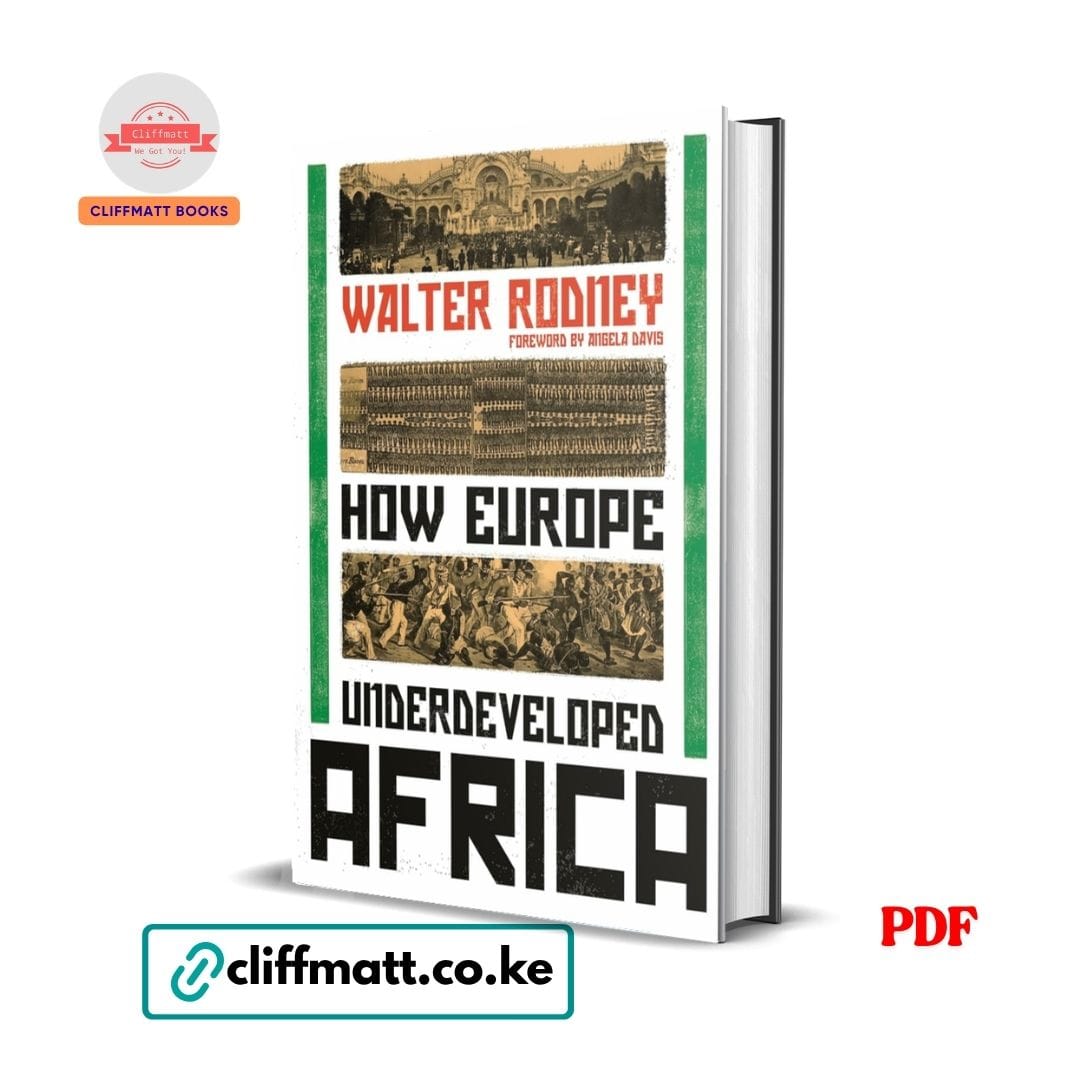
This is the foundational argument of Walter Rodney’s How Europe Underdeveloped Africa — and in the fifty years since its first publication, no serious scholar of African history, African economics, or African development has been able to engage with the question of African poverty and African development without engaging with Rodney’s argument, whether to build upon it, to qualify it, or to contest it.
Walter Rodney — historian, political activist, Guyanese-born Pan-Africanist who taught at the University of Dar es Salaam at the specific invitation of Julius Nyerere, and who was assassinated in Georgetown, Guyana in 1980 at the age of thirty-eight — wrote this book as a systematic historical and economic argument for the specific thesis that African underdevelopment is not a natural condition, not a cultural inheritance, and not the result of African incapacity, but the specific historical product of the specific economic relationship between Europe and Africa that began with the transatlantic slave trade in the fifteenth century and continued through colonial rule into the specific post-independence neo-colonial arrangements that Rodney argued were simply the specific most recent form of the specific same fundamental relationship.
How Europe Underdeveloped Africa — with a Foreword by Angela Davis — is that argument in full: historically detailed, economically rigorous, politically passionate, and intellectually demanding in the specific way that the specific most important books consistently are. It is the specific book that every Kenyan student, every Kenyan intellectual, and every Kenyan who wants to understand why Africa is where it is — and what that understanding most demands of the African generation now inheriting the continent — most needs to read.
At Ksh 100, the most important work of African political economy ever written is available to every Kenyan.
What This Book Covers:
The Conceptual Foundation — What Development and Underdevelopment Mean:
- The specific definition of development — Rodney’s particular insistence on defining development not merely as economic growth (the increase in GDP or per capita income) but as the specific comprehensive improvement in the capacity of a society to control its own natural and human resources for the specific benefit of its own people; why the specific definition matters: the specific country that is growing economically while its resources are being extracted by foreign capital and while its population’s capacity for self-directed improvement is being constrained is not developing in Rodney’s sense even if it is growing in the economist’s sense
- The specific definition of underdevelopment — the particular argument that underdevelopment is not simply the absence of development (a natural starting point from which development has not yet occurred) but the specific product of a specific historical relationship; that the specific underdeveloped countries and the specific developed countries are not at different points on the same developmental ladder but are the specific two poles of the specific same historical process that enriched one at the specific direct expense of the other
- The specific dependency theory context — Rodney’s argument as the African contribution to the specific intellectual tradition that Latin American scholars (particularly Raúl Prebisch and the specific dependency theorists of the 1950s and 1960s) had developed in relation to Latin American underdevelopment; how Rodney extends and deepens this framework through the specific African historical material that the specific Latin American theorists had not addressed
Pre-Colonial Africa — What Was There Before:
- The specific evidence of African development before European contact — Rodney’s systematic documentation of the specific African achievements in agriculture, metallurgy, architecture, political organisation, long-distance trade, and the specific social and cultural complexity that the specific pre-colonial African societies had achieved before the specific European encounter; the particular cases of Great Zimbabwe, of the Mali Empire, of the Songhai Empire, of the Kingdom of Kongo, of the East African city-states of Kilwa and Mombasa, and of the specific other African political and economic achievements that the specific racist historiography of the colonial period had either ignored or attributed to non-African influences
- The specific internal African trade networks — the particular long-distance trade routes (the specific trans-Saharan trade, the specific East African coastal trade with the Arabian Peninsula and India, the specific internal West African gold and salt trade) that connected African economies to each other and to the wider world before the specific European arrival; the specific evidence that the specific African economies were not isolated, static, or technologically stagnant but were dynamic participants in the specific regional and intercontinental economic systems of the pre-modern world
- The specific African political development — the particular evidence of sophisticated African state formation, of African legal systems, of African administrative capacity, and of the specific African political innovations (the specific rotating leadership systems, the specific checks on executive power, the specific electoral mechanisms) that the specific pre-colonial African political history most carefully documents; the particular purpose of this evidence in Rodney’s argument: to establish that the specific Africa that Europe encountered was not a blank slate waiting for civilisation but a specific complex of societies that the specific European encounter disrupted and ultimately destroyed rather than developed
The Slave Trade — The First Underdevelopment:
- The specific scale and duration of the transatlantic slave trade — the particular historical accounting of the specific number of Africans taken across the Atlantic between the mid-fifteenth and the mid-nineteenth centuries; the specific scholarly estimates (between 10 and 15 million people actually transported, with millions more dying in capture, in transit to the coast, and in the middle passage) and the specific meaning of these numbers for the specific African communities from which they were extracted
- The specific economic impact on Africa — how the specific removal of the specific most productive, the specific most physically capable, and the specific most demographically central population (young adults between approximately 15 and 35) from the specific African communities most targeted by the slave trade produced the specific demographic, agricultural, and political disruption that the specific centuries of the slave trade most consistently imposed; the specific evidence that the specific regions of Africa most intensively targeted by the slave trade are the specific same regions that the specific contemporary development data most consistently identifies as the specific most economically marginal
- The specific economic impact on Europe — the particular accounting of how the specific profits of the slave trade, the specific profits of slave-produced commodities (cotton, sugar, tobacco, rice), and the specific capital accumulated through these specific processes contributed to the specific financing of the specific Industrial Revolution that produced the specific modern gap in economic capacity between Europe and Africa; the specific arguments about the specific role of slave trade profits in the specific early capitalisation of British banking, insurance, and manufacturing
- The specific African political impact — how the specific demand for enslaved people produced the specific militarisation of African political competition, the specific transformation of African states into slave-raiding enterprises, and the specific destruction of the specific trust, the specific social cohesion, and the specific economic cooperation that the specific pre-colonial African development had most essentially required
Colonialism — The Systematic Underdevelopment:
The Economic Structure of Colonial Africa:
- The specific export enclave economy — the particular colonial economic structure that Rodney documents across the African continent: the specific organisation of African economic activity around the specific extraction and export of primary commodities (rubber in the Congo, cotton in Sudan and Uganda, groundnuts in Senegal and Nigeria, coffee and tea in Kenya, copper in the Rhodesias and the Congo, gold and diamonds in South Africa) for the specific benefit of European metropolitan economies rather than for the specific development of African productive capacity
- The specific infrastructure built for extraction not development — how the specific railways, the specific roads, and the specific ports that the colonial powers built in Africa were designed to connect the specific resource extraction sites to the specific export points rather than to connect African communities to each other or to build the specific integrated internal markets that genuine development requires; why the specific colonial infrastructure inheritance is a specifically extractive infrastructure that serves the specific post-colonial continuation of the specific same extraction-oriented economic relationship
- The specific suppression of African industrialisation — the particular colonial policies that prevented the specific development of African manufacturing capacity; how the specific colonial economic system was deliberately designed to ensure that the specific African territories remained suppliers of raw materials and consumers of European manufactured goods rather than developing the specific industrial capacity that would have made them competitive with European producers; the specific currency systems, the specific tariff structures, and the specific investment patterns that the specific colonial economic administration used to maintain this specific arrangement
- The specific agricultural transformation — how colonial demands for cash crop production (the specific cotton quotas, the specific coffee and tea acreage requirements, the specific groundnut demands) transformed African agriculture from the specific diverse, food-security-oriented, ecologically adapted systems of the pre-colonial period to the specific monoculture cash crop systems that simultaneously made African farmers dependent on global commodity markets and reduced the specific food production that the specific African communities most essentially required
The Political and Social Structure of Colonial Africa:
- The specific destruction of African political institutions — how colonial rule systematically dismantled, undermined, or corrupted the specific African political institutions (the specific chieftaincy systems, the specific council systems, the specific age-grade systems) that had governed African societies before the colonial encounter; the particular replacement of these specific institutions with the specific Native Authority systems of indirect rule that retained the form of African political authority while emptying it of the specific genuine power that genuine political authority most essentially requires
- The specific educational system as colonial tool — the particular colonial education — designed not to develop African intellectual capacity but to produce the specific African clerks, the specific African interpreters, and the specific African junior administrators that the specific colonial bureaucracy most needed; how the specific colonial education simultaneously introduced the specific small proportion of the African population that received it to the specific Western intellectual tradition and systematically excluded them from the specific most advanced levels of that tradition; how it created the specific educated African elite that was essential to the specific colonial administrative project while being designed to prevent that elite from developing the specific capacity for genuine intellectual and professional independence that genuine education most produces
- The specific health and demographic impact — how colonial rule produced the specific combination of forced labour demands, the specific disruption of traditional food systems, the specific introduction of new diseases into communities with no acquired immunity, and the specific general deterioration of living conditions that made the specific colonial period, for the specific majority of Africans in the specific most intensively colonised territories, a period of genuine demographic regression rather than the specific development that the colonial powers most consistently claimed to be providing
The Kenya Case in Rodney’s Framework:
- The specific Kenya Land question — the particular dispossession of the specific Kenyan Highlands from the specific Kikuyu, Maasai, and other African communities through the specific Land Ordinances, the specific Crown Lands Act, and the specific settlement schemes that transferred the specific most agriculturally productive land in Kenya to the specific European settler population; how this specific land dispossession produced the specific African labour force that the specific settler agriculture required by removing the specific alternative subsistence options that would have allowed African farmers to refuse the specific low wages that the specific settler economy offered
- The specific Kenyan railway and infrastructure — how the Uganda Railway (built from Mombasa to Kisumu between 1896 and 1901 at the specific cost of thousands of Indian and African lives) was designed not for Kenyan development but to provide British access to the specific interior of East Africa and specifically to Uganda; how the specific infrastructure of colonial Kenya was designed for extraction and administration rather than for the specific internal economic integration that genuine Kenyan development would have required
- The specific Kenyan cash crop economy — how the specific colonial requirement for African taxation in cash (rather than in kind) forced African farmers into the specific cash economy by requiring them to either work for wages on European farms or grow the specific cash crops (pyrethrum, coffee, tea, sisal) that the specific colonial agricultural administration designated for African producers; the specific simultaneous prohibition on African coffee growing in the specific most productive highland areas (reserved for European growers) that kept African farmers in the specific lower-value crop categories
Neo-Colonialism — The Underdevelopment Continues:
- The specific neo-colonial economic structure — Rodney’s argument that the specific formal end of colonial rule did not fundamentally change the specific economic relationship between Africa and the specific developed world; that the specific continuation of the specific export commodity economy, the specific foreign ownership of the specific major productive assets, the specific debt relationships with Western financial institutions, and the specific terms of trade that consistently rewarded the specific processors of African raw materials over the specific producers of them meant that the specific fundamental structure of African underdevelopment was maintained under political independence
- The specific role of international financial institutions — how the specific IMF, the specific World Bank, and the specific bilateral aid relationships of the post-independence period reproduced the specific essential features of the specific colonial economic relationship in the specific new institutional forms of the specific post-colonial international economic order; the specific conditionalities, the specific structural adjustment programmes, and the specific terms of engagement that the specific most powerful international financial institutions imposed on the specific most dependent African economies
- The specific multinational corporation role — how the specific foreign direct investment in post-independence Africa reproduced the specific colonial pattern of resource extraction: the specific profits repatriated to headquarters in the specific metropole, the specific minimal local value addition, the specific transfer pricing that minimised the specific tax payments to the specific African state, and the specific overall relationship between the specific foreign investor and the specific African economy that Rodney consistently describes as the specific continuation of the specific colonial economic relationship in the specific new institutional dress of the post-colonial era
The Argument’s Implications — What Rodney Demands:
- The specific intellectual decolonisation — Rodney’s consistent argument that the specific first requirement for genuine African development is the specific decolonisation of African intellectual life; that the specific African university, the specific African development planning, and the specific African policy discourse that remain dependent on the specific conceptual frameworks, the specific theoretical models, and the specific intellectual authority of the specific Western academy are reproducing the specific intellectual dependency that corresponds to and reinforces the specific economic dependency that the book documents
- The specific political economy of liberation — how Rodney’s argument points toward the specific political and economic transformations (the specific genuine land reform, the specific genuine industrialisation, the specific genuine regional economic integration, and the specific genuine control of African resources by African people for African benefit) that the specific genuine African development most requires; why these specific transformations are not merely economic adjustments but the specific fundamental restructuring of the specific political and economic relationships that the colonial period established and the neo-colonial period maintained
- The specific African agency — Rodney’s consistent emphasis, throughout the book, on the specific African agency — the specific African resistance to colonialism, the specific African intellectual traditions, the specific African economic innovations, and the specific African political organisation — that the specific colonial historiography most systematically suppressed; the particular purpose of recovering this specific agency in Rodney’s argument: to establish that the specific African development that was interrupted by colonialism was not a gift from outside but an internal African achievement, and that the specific African development required now is not a gift from outside but an African-driven, African-controlled, African-benefiting project
Angela Davis’s Foreword — The Contemporary Relevance:
- The specific Davis foreword — the particular intellectual and political context that Angela Davis — activist, scholar, and one of the most important African-American public intellectuals of the twentieth and twenty-first centuries — provides for the contemporary reader of Rodney’s text; the specific connections she draws between Rodney’s argument and the specific contemporary debates about reparations, about structural racism, about the specific economic dimensions of Black Lives Matter, and about the specific continuing relevance of Rodney’s analysis to the specific global racial-economic structure of the twenty-first century
- The specific contemporary African relevance — how Davis’s foreword helps the specific contemporary African reader — and specifically the specific contemporary Kenyan reader — locate Rodney’s argument in the specific debates of the specific present moment about China’s role in Africa, about the specific new forms of resource extraction, about the specific debt relationships with the specific new international creditors, and about the specific question of whether the specific fundamental structure that Rodney described has been genuinely changed or merely reconfigured in the specific forms of the specific twenty-first century global economy
Why Kenyan Readers Are Buying This Book:
Every Kenyan who has ever asked why Africa — the specific most resource-rich continent on earth — is also among the specific poorest needs to read Walter Rodney. Not because Rodney’s argument is the only answer to that question, and not because every element of his analysis has withstood the specific fifty years of subsequent scholarly engagement without revision, but because no serious engagement with that question is possible without understanding the specific argument that Rodney makes and the specific historical evidence he marshals in its support.
Kenya’s specific story — the specific land dispossession, the specific cash crop economy, the specific railway built for extraction not development, the specific educated elite produced by the specific colonial education system, and the specific post-independence economic relationships that the specific most honest Kenyan economic history most carefully documents — is woven through every chapter of Rodney’s analysis. The specific Kenyan reader who reads this book will understand their own specific national history in the specific continental and global context that makes it fully comprehensible for the first time.
At Ksh 100, the most important work of African political economy ever written.
Who This Book Is For:
- Every Kenyan university student in history, economics, political science, African studies, development studies, law, and sociology who needs the specific foundational text of African political economy for their specific academic work
- Kenyan intellectuals, journalists, civil society professionals, and development practitioners who want the specific deepest and most historically grounded analytical framework for understanding African poverty and African development
- Every Kenyan who has asked why Africa is poor and who wants the specific most rigorous and most historically comprehensive answer available — not the comfortable answer but the specific honest one
- Kenyan secondary school and university teachers who want the specific most important African intellectual work for inclusion in their specific teaching of African history, economics, and political thought
- Every reader of The State of Africa (Meredith), Decolonising the Mind (Ngũgĩ), Dead Aid (Moyo), Kenya Between Hope and Despair (Branch), and How to Lose a Country (Temelkuran) who wants the specific most foundational and most intellectually demanding work of African political economy to complete their African history and development library
📖 Author: Walter Rodney
📝 Foreword by: Angela Davis
📄 Format: PDF eBook (instant download via WhatsApp or email)
💰 Price: Ksh 100 only
🚀 Delivery: Instant after M-Pesa payment confirmation
👉 Order now on cliffmatt.co.ke — Pay via M-Pesa, receive your PDF instantly.












Reviews
There are no reviews yet.