







Description
Your emotions are not your enemy. But they are, for most people, the specific unexamined, unmanaged, largely unconscious force that is making more of your daily decisions than you realise — and producing more of your daily suffering than is necessary.
The anger that hijacks your relationships. The fear that prevents your obedience. The discouragement that interrupts your momentum. The jealousy that poisons your perspective. The insecurity that distorts your self-image. These are not character defects or spiritual failures. They are the specific unmanaged emotions that every human being carries — and that every human being has both the specific God-given capacity and the specific biblical mandate to learn to govern.
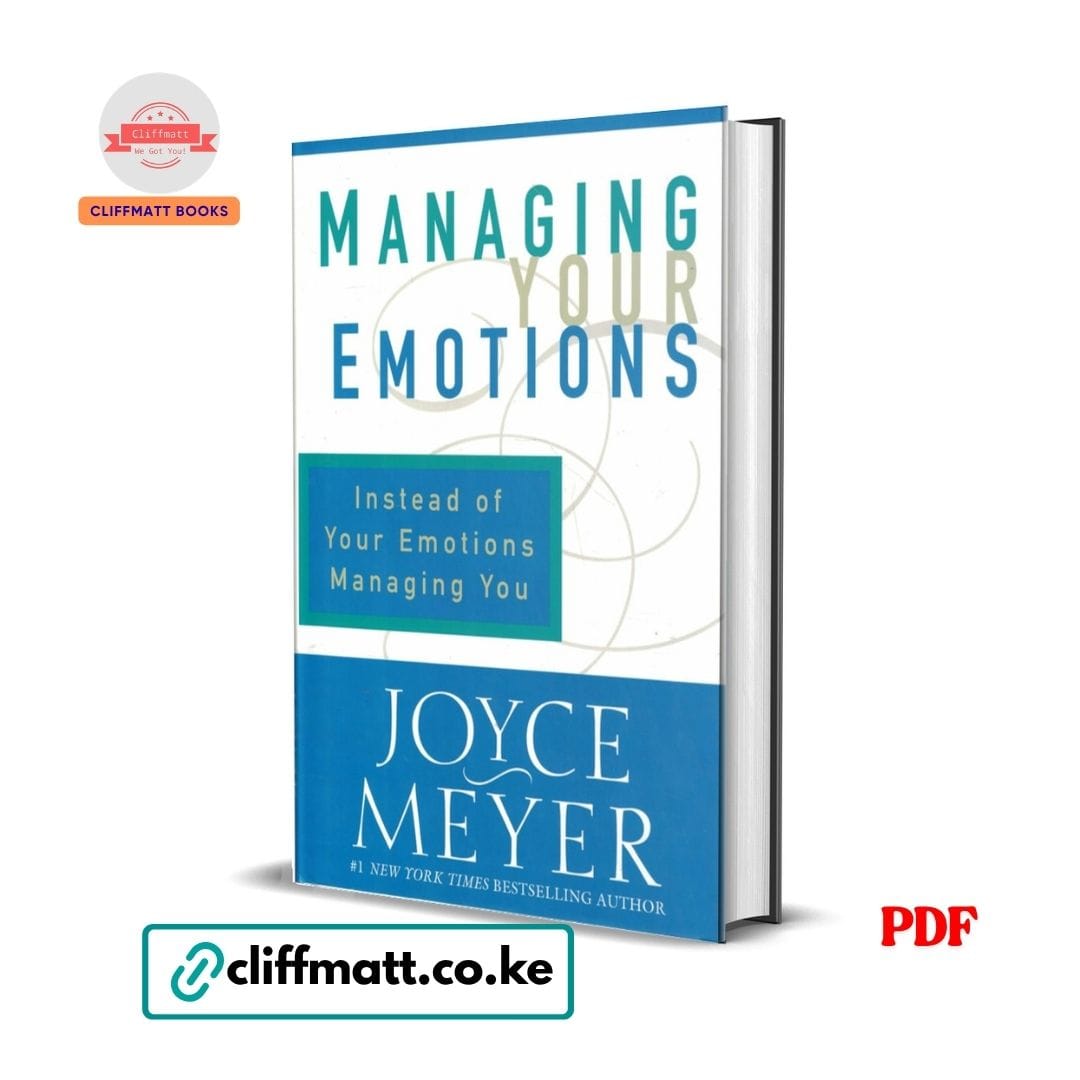
Joyce Meyer — #1 New York Times Bestselling Author, one of the most widely read and most personally trusted Christian authors in Kenya, and a woman who has spoken with unflinching honesty about her own lifelong journey toward emotional health — wrote Managing Your Emotions: Instead of Your Emotions Managing You as the most practically structured and most biblically grounded guide she has ever produced to the specific challenge of taking genuine, faith-based, scripturally informed control of the emotional life.
This is your third Joyce Meyer title — completing the most comprehensive Joyce Meyer digital collection in Kenya alongside Battlefield of the Mind and the existing Meyer title in your catalogue.
What This Book Covers:
The Problem — Emotions That Manage You:
- The specific ways that unmanaged emotions consistently take control of the specific decisions, the specific relationships, and the specific daily experiences of people who have genuinely surrendered every other area of their lives to God but have never specifically and deliberately submitted their emotional life to the same process of transformation
- The specific emotional patterns that Meyer identifies as most consistently producing the most damage — the anger that escalates beyond the situation that triggered it, the fear that is rooted not in present danger but in past wounds, the discouragement that is disproportionate to the specific setback that triggered it, and the specific background emotional noise of anxiety, resentment, and shame that runs beneath the surface of many Kenyan believers’ daily experience
- Why the Christian context does not automatically produce emotional health — the specific theological misunderstanding that genuine faith produces the automatic management of emotions; the specific damage done by the teaching that negative emotions are themselves sinful rather than signals requiring wise management; and the specific liberation of understanding that emotional management is a learnable skill rather than a spiritual gift
- The specific connection between the past and the present in emotional life — how the specific wounds, the specific experiences of rejection, abuse, loss, and failure from the past continue to generate emotional responses in the present long after the original events are over; why emotional management requires both present practice and honest past engagement
Understanding Your Emotions — The Foundation:
What Emotions Actually Are:
- The specific theological and psychological understanding of emotions as God-given capacities for experiencing and responding to reality — not obstacles to be eliminated but the specific means through which human beings connect, create, worship, and love; what went wrong with the specific original gift and why the specific redemption of emotional life is part of the complete salvation that God offers
- The specific difference between emotion and feeling — how the same objective circumstances produce completely different emotional responses in different people based on the specific beliefs, the specific expectations, and the specific past experiences each person brings; the specific implication that changing your emotional responses requires changing the specific internal material that generates them
- The specific neurological basis of emotions — how the specific brain structures involved in emotional processing (the amygdala, the limbic system) operate largely below conscious awareness; why emotions arise before the conscious mind has had the opportunity to evaluate them; and what this means for the specific practice of emotional management that this book describes
- Why suppressing emotions is not managing them — the specific Meyer teaching that pretending emotions are not present, forcing positive emotional performance, and the specific form of spiritual impression management that refuses to acknowledge negative emotional experience, is not emotional management but emotional avoidance; and why avoidance consistently produces the specific escalation of the suppressed material that makes eventually unmanageable emotions out of emotions that were originally very manageable
Specific Emotions — Biblical Management Approaches:
Managing Anger:
- The specific biblical framework for anger — the specific passages (Ephesians 4:26, James 1:19-20, Proverbs 29:11) that acknowledge anger as a legitimate emotion while identifying the specific conditions under which it becomes destructive; the specific distinction between righteous anger and the specific reactive, self-serving anger that damages relationships and grieves God
- The specific anger management practices that Meyer recommends — the specific pause between stimulus and response that creates the space for the specific choice about how to respond rather than simply reacting; the specific prayer practice of bringing anger to God before expressing it toward the person who triggered it; the specific forgiveness practice that releases the specific resentment that unexpressed anger consistently becomes
- The specific Kenyan anger context — how the specific cultural norms around the expression of anger (often either explosive expression or complete suppression, with little of the specific honest, respectful, direct communication that genuine anger management requires) produce the specific relational patterns that Meyer’s framework is designed to address
Managing Fear:
- The specific biblical framework for fear — the specific passages (“Fear not” appears 365 times in the Bible in various forms) that address fear not as a command to stop feeling afraid but as the specific assurance that the specific One who commands is fully aware of the specific dangers and fully capable of addressing them
- The specific root causes of fear — how past experiences of abandonment, abuse, betrayal, and the specific losses that produce the specific expectation of future loss generate the specific fear responses that are disproportionate to present circumstances; why managing fear requires both present practice and honest acknowledgment of the past wounds from which specific fears grew
- The specific faith practices that address fear — the specific scripture meditation, the specific declaration of God’s promises, the specific choice to act in the presence of fear rather than waiting for its absence, and the specific community of honest prayer that makes sustained faith possible under the specific weight of genuine fear
Managing Discouragement:
- The specific biblical framework for discouragement — David’s honest engagement with his own discouragement in the Psalms as the specific model for bringing genuine negative emotional experience to God rather than suppressing it or performing positive emotion in God’s presence
- The specific sources of discouragement in the Kenyan context — unmet expectations of God, unmet expectations of people, the specific exhaustion of sustained effort without visible reward, and the specific discouragement that comparison with others’ visible progress consistently produces
- The specific discouragement management practices — gratitude as a specific counter to discouragement (not the suppression of the discouraging feeling but the deliberate attention to the specific genuine goods that discouragement causes you to overlook); the specific scripture declarations that recall God’s faithfulness in the specific past moments that present discouragement has temporarily obscured
Managing Jealousy and Envy:
- The specific biblical treatment of jealousy and envy — the specific passages that address the specific spiritual danger of these emotions; the specific theological understanding that jealousy and envy are ultimately expressions of distrust of God’s specific provision for the specific person experiencing them
- The specific roots of jealousy — how the specific experience of lack, of comparison, and of the specific belief that another person’s having something means you cannot have it produces the specific emotional state that consistently damages both the person experiencing it and the specific relationships in which it is expressed
- The specific envy management practices — the specific practice of genuinely celebrating others’ success; the specific prayer for those whose specific blessings trigger your specific envy; and the specific reorientation toward your own specific calling and your own specific provision that is the specific long-term cure for the specific short-term pain of envy
Managing Shame and Guilt:
- The specific distinction between true guilt (the specific appropriate response to specific genuine sin that the specific conscience and the specific Holy Spirit produce to lead toward specific repentance and specific restoration) and false guilt (the specific condemnation that has no basis in present behaviour and that the enemy uses to keep people from the specific confidence in God’s grace that genuine discipleship requires)
- The specific shame treatment — the specific deep, identity-level conviction of unworthiness that goes beyond the specific behaviour-related guilt; how shame was addressed at the Cross; and the specific daily practices of receiving the specific identity in Christ that is the specific theological cure for the specific wound of shame
- Why managing guilt and shame well is among the most practically important emotional management skills for Kenyan believers navigating the specific combination of genuine conviction, religious performance pressure, and the specific cultural shame dynamics of African communities
Managing Worry and Anxiety:
- The specific biblical framework for worry — Philippians 4:6-7, Matthew 6:25-34, and the specific pattern of prayer-plus-thanksgiving that Paul identifies as the specific practice that produces the “peace that passes all understanding”; the specific mechanics of how this practice works neurologically and spiritually
- The specific cognitive dimension of worry — how the specific habitual mental rehearsal of worst-case scenarios produces the specific physiological anxiety response that makes worry feel like a current emergency rather than an anticipated future event; the specific practice of interrupting that mental rehearsal with specific deliberate alternative focus
- The specific Kenyan worry context — economic insecurity, health vulnerability, the specific responsibilities of caring for extended family members, and the specific weight of the specific things that Kenyan believers are genuinely and legitimately concerned about; how to bring genuine concern to God without allowing it to become the specific consuming worry that prevents the specific trust that genuine faith produces
Practical Tools — Daily Emotional Management:
- The specific daily emotional audit — the practice of regularly examining your emotional state with specific honest questions: What am I feeling right now? What triggered this feeling? Is this response proportionate to the present situation or is it amplified by past material? What does God’s word say about this?
- The specific scripture personalisation practice — taking the specific biblical promises about emotional management and speaking them in first person about your specific emotional challenge; the specific practice of “I am not controlled by anger, for the Spirit of God gives me self-control” replacing the specific internal narrative of “I am an angry person”
- The specific prayer and emotion integration — not the performance of positive emotion in prayer but the specific honest engagement with actual emotional experience in God’s presence; why the prayer of “Lord, I am angry and I don’t know what to do with it” is more genuinely spiritual than the specific presentation of falsely peaceful feelings that performance Christianity demands
- The specific community dimension of emotional management — how the specific honest relationships, the specific accountability, and the specific prayer of genuine Christian community supports the specific individual effort of emotional management in ways that isolated personal discipline cannot
Why Kenyan Believers Are Buying This Book: Joyce Meyer is one of the most widely watched Christian television personalities in Kenya. Her direct, honest, often humorous, always scripturally grounded approach to practical Christian living resonates with Kenyan believers who want the specific combination of genuine faith and genuine practical help that her teaching consistently delivers. Managing Your Emotions addresses the specific emotional challenges that every Kenyan believer navigates — bringing the specific honesty, the specific biblical grounding, and the specific practical wisdom that makes Joyce Meyer the most trusted Christian voice on everyday spiritual life in millions of Kenyan homes.
At Ksh 100, the third Joyce Meyer title is available to every Kenyan believer — completing the most comprehensive Joyce Meyer digital collection on any Kenyan platform.
Who This Book Is For:
- Every Kenyan believer who recognises that their emotions are managing them more than they are managing their emotions — and who wants the most biblically grounded and most practically structured guide available to changing that
- Kenyan women who want the specific emotional management wisdom that Joyce Meyer’s personal experience of overcoming specific emotional wounds gives her specific authority to deliver
- Church counsellors, pastoral team members, and small group leaders who want the most accessible and most trusted Joyce Meyer resource for the specific emotional challenges that the people they serve are carrying
- Every Kenyan Christian who has read Battlefield of the Mind (Meyer — thought patterns) and wants the specific companion volume that addresses the emotional dimensions of the same inner transformation
- Every reader of Emotionally Healthy Spirituality (Scazzero), The Awe of God (Bevere), and Break Out! (Osteen) who wants Joyce Meyer’s most specifically emotion-focused and most personally honest guide to complete their inner transformation library
📖 Author: Joyce Meyer 📄 Format: PDF eBook (instant download via WhatsApp or email) 💰 Price: Ksh 100 only 🚀 Delivery: Instant after M-Pesa payment confirmation
👉 Order now on cliffmatt.co.ke — Pay via M-Pesa, receive your PDF instantly.










Reviews
There are no reviews yet.