

Description
Every great writer begins as a child who learned to pay attention.
Ngũgĩ wa Thiong’o — the Kenyan novelist, playwright, and essayist whose work has shaped African literature for more than six decades; whose Decolonising the Mind is the foundational text of the African language and cultural decolonisation movement; whose novels have been translated into more than thirty languages; and who is consistently named among the most serious candidates for the Nobel Prize in Literature — was born in 1938 in Limuru, in the Central Province of colonial Kenya, the fifth child of his father’s third wife.
He grew up poor. In the specific way that the specific Central Province peasant family of the specific late colonial period was poor — the specific food insecurity, the specific clothing made from the specific available rather than the specific chosen, the specific education that was the specific privilege rather than the specific right, and the specific specific political terror of the specific Mau Mau years that descended on the specific Kenyan highlands like the specific weather — something that arrived without the specific permission of the specific people it most directly affected and that the specific people it most directly affected had no specific power to prevent.
And he dreamed. Specifically of education. Specifically of the words that the specific school was revealing to him as the specific most powerful and the specific most liberating tools available. Specifically of the specific writer he would become — though the specific specific form of that specific dream was, in those specific early years, still the specific vague and the specific magnificent thing that childhood dreams most naturally are before the specific specific discipline and the specific specific specific work of a specific specific life begin to give them their specific final shape.
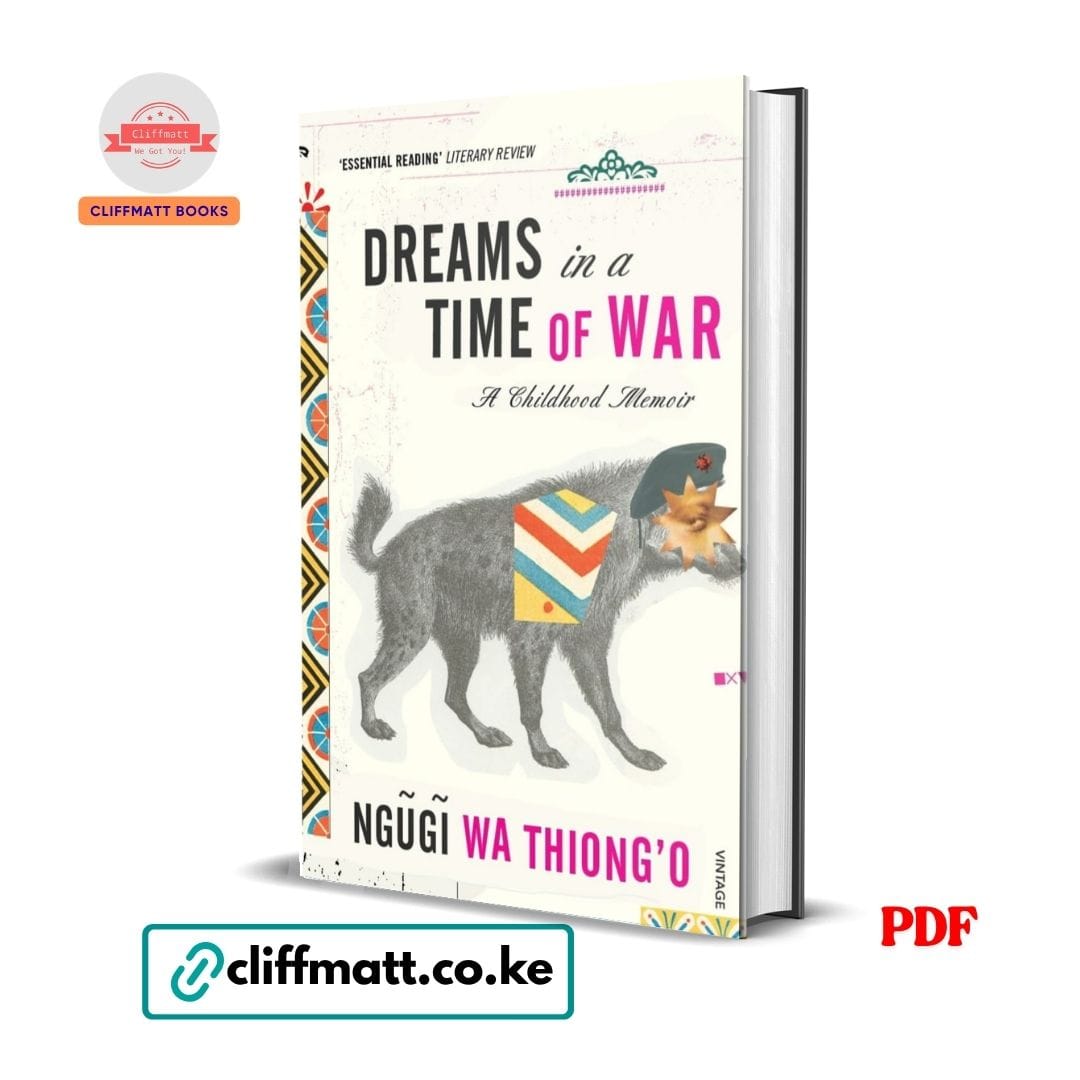
Dreams in a Time of War: A Childhood Memoir — published by Vintage, called “Essential Reading” by the Literary Review — is Ngũgĩ’s account of that childhood. Not the childhood reimagined through the specific nostalgia of the specific comfortable old age. The specific childhood lived in the specific specific poverty, the specific specific beauty, the specific specific fear, and the specific specific specific wonder of the specific specific place and the specific specific time that the specific specific most celebrated African writer of his generation most specifically came from.
At Ksh 100, the most intimate and most personally revealing work of Kenya’s greatest living writer is available to every Kenyan.
What This Book Covers:
The World of Childhood — Limuru in the 1940s:
- The specific landscape — Ngũgĩ’s particular evocation of the specific Limuru landscape: the specific ridges and the specific valleys of the specific Central Province highlands, the specific Gĩkũyũ homesteads scattered across the specific terrain, the specific tea and the specific coffee plantations of the specific European settlers that share the specific horizon with the specific smallholdings of the specific African families who work them; the specific specific way that the specific specific childhood eye sees the specific specific landscape as the specific specific entire world before the specific specific education begins to reveal that the specific world is larger than the specific specific visible horizon
- The specific family structure — the particular complexity of the specific Ngũgĩ family: the specific father with the specific multiple wives, the specific half-siblings who are the specific children of the specific other wives, the specific specific hierarchy of the specific specific domestic arrangements, and the specific specific economic precariousness of the specific specific peasant household that the specific specific father’s specific specific landlessness most directly produces; the specific specific warmth and the specific specific specific friction of the specific specific large, the specific specific complex, and the specific specific loving family that the specific specific memoir most beautifully and most honestly captures
- The specific mother — Wanjikũ, Ngũgĩ’s mother: the specific most important person in the specific specific memoir and the specific specific most directly influential person in the specific specific life of the specific specific boy who would become the specific specific writer; the particular account of her specific specific strength, her specific specific intelligence, her specific specific determination that her specific specific children would receive the specific specific education that the specific specific circumstance most specifically denied her, and her specific specific specific love that the specific specific memoir most specifically and most movingly honours
- The specific Gĩkũyũ cultural world — the specific traditional ceremonies, the specific communal stories, the specific oral tradition, the specific specific language that is simultaneously the specific specific medium of the specific specific daily life and the specific specific carrier of the specific specific cultural knowledge that the specific specific colonial education is simultaneously displacing and the specific specific cultural identity that the specific specific boy is simultaneously inhabiting and the specific specific writer will later most specifically defend
The Colonial World — Kenya Under British Rule:
- The specific colonial economic structure — how the specific specific colonial land alienation has produced the specific specific specific landlessness that the specific specific Ngũgĩ family most directly experiences; the particular account of the specific specific relationship between the specific specific African peasant family and the specific specific European settler household whose specific specific land they now work; the specific specific specific daily negotiations of the specific specific dignity, the specific specific specific economic survival, and the specific specific specific cultural resistance that the specific specific colonial economic relationship most specifically requires
- The specific colonial education — the particular account of the specific specific schools that the specific specific Ngũgĩ attends: the specific specific mission schools, the specific specific colonial government schools, and the specific specific specific curriculum (the specific specific English literature, the specific specific English history, the specific specific English geography) that is simultaneously the specific specific most powerful liberation tool available to the specific specific African child and the specific specific most powerful assimilation mechanism of the specific specific colonial project; the particular specific tension that the specific specific memoir most honestly captures between the specific specific desire for the specific specific education that the specific specific colonial system offers and the specific specific specific awareness — still forming in the specific specific child — of the specific specific price that the specific specific education most specifically exacts
- The specific language world — the particular early experience of the specific specific linguistic duality that will become the central intellectual and political preoccupation of the specific specific adult writer: the specific specific Gĩkũyũ in which the specific specific family life, the specific specific communal stories, and the specific specific most intimate emotional experience most naturally occur, and the specific specific English in which the specific specific school, the specific specific books, and the specific specific wider public world most specifically demand to be engaged; the specific specific specific “I” who moves between these specific specific languages as the specific specific most natural daily activity of the specific specific colonial child whose specific specific bilingualism is not the specific specific privilege but the specific specific condition
The Mau Mau Years — Kenya’s Freedom War:
- The specific historical context — the particular account of the specific specific Mau Mau uprising (the specific specific Land and Freedom Army’s specific specific armed campaign against the specific specific British colonial administration, beginning in the specific specific early 1950s) as the specific specific child experiences it: not the specific specific abstract historical event of the specific specific textbook but the specific specific specific terror, the specific specific specific confusion, and the specific specific specific moral complexity of the specific specific actual war that is happening in the specific specific specific fields, the specific specific specific forests, and the specific specific specific homesteads of the specific specific actual landscape that the specific specific boy inhabits
- The specific family division — the particular most painful dimension of the specific specific Mau Mau experience for the specific specific Ngũgĩ family: the specific specific division within the specific specific family itself between the specific specific family members who support the specific specific freedom fighters and the specific specific family members who collaborate with the specific specific colonial administration; the specific specific account of the specific specific half-brother who joins the specific specific Mau Mau and the specific specific half-brother who joins the specific specific Home Guard, and the specific specific specific anguish that the specific specific specific family most directly experiences when the specific specific wider political conflict most specifically becomes the specific specific specific domestic one
- The specific colonial terror — the particular account of the specific specific Emergency period (the specific specific 1952–1960 British state of emergency declared in response to the specific specific Mau Mau uprising): the specific specific curfews, the specific specific searches, the specific specific detention camps, the specific specific specific violence — both the specific specific Mau Mau violence and the specific specific colonial counter-violence — that the specific specific specific civilian population of the specific specific Central Province most directly and most specifically experiences; how the specific specific child who will become the specific specific writer carries the specific specific specific memory of this specific specific specific violence as the specific specific specific most formative political education available
- The specific education as resistance — the particular specific account of how the specific specific specific dream of education becomes for the specific specific Ngũgĩ child not merely the specific specific individual aspiration for the specific specific better life but the specific specific specific form of resistance to the specific specific specific colonial system that the specific specific specific education simultaneously serves; the particular specific tension that the specific specific memoir most honestly captures between the specific specific colonial education’s specific specific assimilating function and the specific specific specific decolonising use to which the specific specific specific educated African will later put the specific specific specific tools that the specific specific colonial education most specifically provides
The Education Dream — The Book’s Central Thread:
- The specific first school — the particular account of the specific specific Ngũgĩ’s first encounter with the specific specific formal education: the specific specific schoolroom, the specific specific teacher, the specific specific books (the specific specific first books that the specific specific boy encounters as the specific specific most remarkable objects available — the specific specific containers of the specific specific specific language and the specific specific specific stories that the specific specific school is beginning to reveal as the specific specific most powerful force in the specific specific world), and the specific specific specific first reading experiences that the specific specific memoir most beautifully evokes
- The specific hunger for knowledge — the particular specific quality of the specific specific Ngũgĩ child’s specific specific relationship with the specific specific education: the specific specific intensity, the specific specific seriousness, and the specific specific specific hunger that distinguishes the specific specific child who will become the specific specific great writer from the specific specific children around him not because of the specific specific natural intelligence but because of the specific specific specific passionate attachment to the specific specific specific world of words and ideas that the specific specific school has revealed and that the specific specific specific child cannot get enough of
- The specific scholarship competition — the particular account of the specific specific competitive scholarship examinations that the specific specific Kenyan colonial education most specifically used to select the specific specific small number of the specific specific African children who would receive the specific specific secondary education that was the specific specific most direct route to the specific specific better life that the specific specific education most specifically promised; the specific specific specific anxiety, the specific specific specific preparation, and the specific specific specific meaning of the specific specific scholarship examination for the specific specific specific Ngũgĩ family whose specific specific specific economic circumstances make the specific specific specific scholarship not merely the specific specific academic achievement but the specific specific specific economic necessity
- The specific books as world-openers — the particular specific accounts of the specific specific books (in both the specific specific Gĩkũyũ oral tradition and the specific specific English written tradition) that most specifically shape the specific specific Ngũgĩ child’s specific specific imaginative world; the particular specific role of the specific specific Gĩkũyũ oral stories (the specific specific folk tales, the specific specific riddles, the specific specific proverbs that the specific specific mother and the specific specific community most specifically pass on) alongside the specific specific English books (the specific specific Bible, the specific specific school readers, and the specific specific other books that the specific specific colonial education most specifically provides) in the specific specific formation of the specific specific writer who will later engage both traditions in the specific specific most significant way
The People — The Human Heart of the Memoir:
- The specific father — Thiong’o wa Ndĩcũ: the specific specific portrait of the specific specific father in his specific specific complexity; the specific specific specific patriarch of the specific specific specific large polygamous family, the specific specific specific man who has lost his specific specific specific land and who is navigating the specific specific specific specific dignity of the specific specific specific landless peasant in the specific specific colonial economy with the specific specific specific combination of the specific specific specific pride and the specific specific specific vulnerability that the specific specific specific memoir most honestly and most compassionately captures
- The specific siblings — the particular account of the specific specific siblings: the specific specific full siblings, the specific specific half-siblings, and the specific specific specific relationships (the specific specific specific competition, the specific specific specific loyalty, the specific specific specific love, and the specific specific specific specific resentment) that the specific specific complex family structure most specifically produces; the specific specific specific half-brother Good Wallace whose specific specific specific dream of education most specifically parallels the specific specific specific narrator’s own and whose specific specific specific fate most specifically diverges from it
- The specific teachers — the particular specific accounts of the specific specific teachers who most specifically shape the specific specific Ngũgĩ child’s specific specific educational experience: the specific specific inspiring, the specific specific harsh, and the specific specific specific complex human beings who constitute the specific specific specific child’s first specific specific specific encounters with the specific specific specific authority of the specific specific specific learning institution
- The specific community — the particular specific evocation of the specific specific Limuru community in all its specific specific specific complexity: the specific specific specific neighbours, the specific specific specific elders, the specific specific specific church community, the specific specific specific market community, and the specific specific specific specific web of relationships that the specific specific specific Gĩkũyũ communal life most specifically produces
The Writing — Ngũgĩ’s Prose at Its Most Personal:
- The specific memoir voice — the particular quality of the specific specific writing in Dreams in a Time of War: the specific specific combination of the specific specific clarity and the specific specific specific beauty that characterises the specific specific best memoir prose; the specific specific specific retrospective awareness (the specific specific adult writer looking back at the specific specific child he was) that gives the specific specific memoir its specific specific specific depth without the specific specific specific sentimentality that the specific specific lesser memoir most specifically risks; the specific specific specific honesty about the specific specific specific difficult and the specific specific specific beautiful dimensions of the specific specific childhood in equal measure
- The specific specific Kenyan landscape prose — the particular quality of the specific specific Ngũgĩ writing about the specific specific Kenyan highlands: the specific specific specific way that the specific specific specific most celebrated Kenyan novelist most specifically sees and most specifically renders the specific specific specific landscape of the specific specific specific country that his specific specific specific writing has most specifically put on the specific specific specific global literary map; why the specific specific specific Kenyan reader will find in this specific specific specific prose both the specific specific specific recognition of the specific specific familiar and the specific specific specific revelation of the specific specific specific familiar seen through the specific specific specific most gifted literary eye available
- The specific historical witness — how Dreams in a Time of War functions simultaneously as the specific specific personal memoir, the specific specific historical witness to the specific specific Mau Mau era, and the specific specific specific cultural document of the specific specific specific Gĩkũyũ life in the specific specific specific specific transitional moment between the specific specific specific colonial world and the specific specific specific specific independence that is coming but has not yet arrived
Why Kenyan Readers Are Buying This Book:
Every Kenyan reader who has ever wanted to know the specific human story behind the specific intellectual and political voice of Ngũgĩ wa Thiong’o — behind Decolonising the Mind, behind Weep Not, Child, behind A Grain of Wheat, behind the specific specific most influential body of East African literary work available — will find in Dreams in a Time of War the specific most intimate and most personally revealing account of the specific specific childhood that produced the specific specific writer.
And every Kenyan reader who wants to understand the specific specific Mau Mau era not as the specific specific abstract historical event of the specific specific textbook but as the specific specific lived experience of the specific specific actual people — the specific specific specific children, the specific specific specific mothers, the specific specific specific fathers, and the specific specific specific communities — whose specific specific specific daily lives the specific specific specific freedom struggle most directly and most specifically touched, will find in Dreams in a Time of War the specific specific most beautifully written and most personally honest account of that specific specific specific experience available.
At Ksh 100, the most intimate work of Kenya’s greatest living writer is available to every Kenyan.
Who This Book Is For:
- Every Kenyan reader who loves Decolonising the Mind (Ngũgĩ) and The River Between (Ngũgĩ) and who wants the specific most personally revealing and most beautifully written account of the specific childhood that produced the specific greatest living African writer
- Kenyan students of literature, history, African studies, and cultural studies who want the specific most accessible and most personally intimate entry point into the specific Ngũgĩ wa Thiong’o literary world
- Every Kenyan who wants to understand the specific Mau Mau era through the specific eyes of the specific child who lived through it and whose specific specific literary voice has spent six decades making sense of what that specific specific childhood most specifically meant
- Kenyan book clubs and reading societies who want the most beautifully written and most specifically Kenyan literary memoir available as a group reading experience
- Every reader of Long Walk to Freedom (Mandela), 491 Days (Winnie Mandela), Born a Crime (Trevor Noah), Dreams from My Father (Obama), Unbowed (Maathai), and Left to Tell (Ilibagiza) who wants the most specifically Kenyan and most personally intimate African childhood memoir to complete their African biographical and memoir library
📖 Author: Ngũgĩ wa Thiong’o
🏢 Publisher: Vintage
📄 Format: PDF eBook (instant download via WhatsApp or email)
💰 Price: Ksh 100 only
🚀 Delivery: Instant after M-Pesa payment confirmation
👉 Order now on cliffmatt.co.ke — Pay via M-Pesa, receive your PDF instantly.



Reviews
There are no reviews yet.