
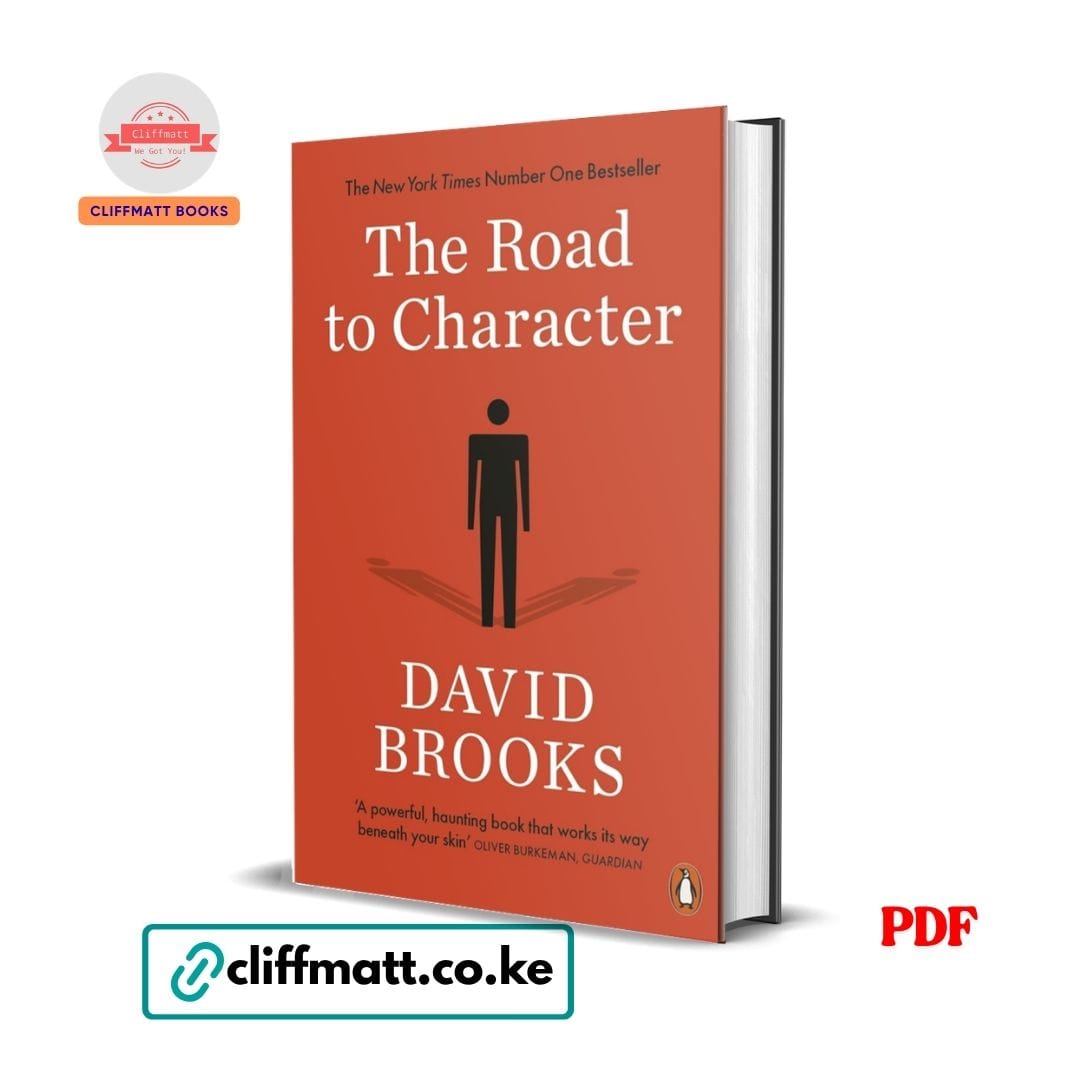


Description
We have forgotten how to build character.
Not because character is less important than it has ever been. But because the specific culture that surrounds most modern people — the specific achievement culture, the specific performance culture, the specific self-promotion culture that social media has both reflected and accelerated — has gradually shifted the specific primary human aspiration from the specific cultivation of inner virtue to the specific accumulation of external achievement, from the specific becoming of a better person to the specific appearing of a more impressive one.
David Brooks — New York Times columnist, one of the most widely read and most widely respected political and cultural commentators in the English-speaking world — felt this shift in himself. The specific man who had spent his professional career writing about public affairs found himself, at middle age, confronted by the specific uncomfortable recognition that the specific skills he had most developed — the specific quick analysis, the specific confident opinion, the specific impressive intellectual performance — were exactly the skills that the specific achievement culture most rewards, and that the specific qualities he had most neglected — the specific genuine humility, the specific moral seriousness, the specific capacity for the specific kind of self-confrontation that genuine character formation most requires — were exactly the qualities that the specific most admirable people he had ever encountered most visibly possessed.
The Road to Character is his response to that recognition — not a memoir of personal transformation but a specific, deeply researched, beautifully written account of ten historical figures who each, in their specific way and in their specific moment, chose the specific harder path of inner development over the specific easier path of external achievement, and who produced through that choice the specific kind of character that the specific most impressive résumé has never yet produced.
At Ksh 100, the most important book about what it means to become a genuinely good person is available to every Kenyan.
What This Book Covers:
The Central Argument — Adam I and Adam II:
- The specific two sides of human nature — Brooks’s foundational framework, drawn from the specific theological writing of Rabbi Joseph Soloveitchik: the particular “Adam I” (the specific career-oriented, achievement-seeking, external-success-building side of human nature that the specific modern culture most celebrates and most rewards) and the specific “Adam II” (the specific inner-oriented, character-building, virtue-seeking side of human nature that the specific modern culture most consistently neglects and that the specific most genuinely admirable people most deliberately cultivate); why the specific person who has developed only Adam I — however impressive their specific achievements — is consistently experienced by the specific people who know them best as somehow incomplete
- The specific “résumé virtues” vs. “eulogy virtues” distinction — Brooks’s most widely quoted and most immediately personally convicting formulation: the particular difference between the specific qualities that appear on a résumé (the specific skills, the specific achievements, the specific professional accomplishments that the specific career-oriented culture most values) and the specific qualities that are mentioned at a funeral (the specific kindness, the specific integrity, the specific genuine love for other people, the specific moral seriousness that the specific people who actually knew the specific person most remember when they are gone); why the specific person who has most developed the specific résumé virtues at the specific expense of the specific eulogy virtues is the specific most common and the specific most quietly tragic profile in the specific modern professional world
- The specific “crooked timber of humanity” tradition — Brooks’s deliberate invocation of the specific tradition of moral philosophy and theology (from Augustine through Calvin through the specific Puritan tradition through the specific Jewish moral tradition) that has most consistently understood the specific human person as genuinely flawed, genuinely capable of both moral greatness and moral failure, and most genuinely formed through the specific honest confrontation with the specific particular limitations and the specific particular sins that the specific self-satisfied achievement culture is most invested in denying
- The specific humility as foundation — Brooks’s consistent, throughout-the-book argument that the specific most important character quality is the specific genuine humility that comes not from the specific performance of modesty but from the specific honest, undefended confrontation with the specific ways in which the specific self is genuinely limited, genuinely flawed, and genuinely dependent on the specific other people, the specific traditions, and the specific something larger than the self that the specific most admirable lives most honestly acknowledge
The Ten Lives — Character Studies:
Frances Perkins — Vocation:
- The specific story of Frances Perkins — the American social reformer who witnessed the Triangle Shirtwaist Factory fire of 1911, in which 146 garment workers (mostly young immigrant women) died because the exits were locked, and who experienced that specific moment of witnessed suffering as the specific summons to a specific vocation that she spent the rest of her life answering; the particular way in which Perkins understood herself not as the specific architect of her own career but as the specific person summoned to the specific work that the specific suffering she had witnessed most demanded
- The specific vocation vs. career distinction — the particular difference between the specific career (chosen for the specific combination of interest, aptitude, and earning potential that the specific individual’s specific preferences and capabilities most suggest) and the specific vocation (chosen in response to the specific call that the specific world’s specific needs, encountered in a specific moment of genuine moral attention, most urgently issues); why the specific person who is living their specific vocation is always the specific most genuinely motivated and the specific most morally serious person in any specific room
Eisenhower — Self-Conquest:
- The specific young Eisenhower — the particular hot-tempered, ambitious, and pride-prone young man who was repeatedly passed over for promotion and who, through the specific discipline of character formation that his mentors and his own moral seriousness imposed, gradually transformed himself into the specific calm, generous, and genuinely humble leader who commanded the Allied forces in Europe; the particular lesson that character is not given but built, through the specific sustained, often painful work of confronting and gradually subduing the specific parts of the self that the specific moral tradition most consistently identifies as obstacles to genuine excellence
- The specific self-mastery as prerequisite for genuine leadership — Brooks’s argument, embodied in the Eisenhower story, that the specific most capable external leader is almost always the specific most seriously self-led person; that the specific capacity to command other people most essentially requires the specific prior capacity to command oneself
Dorothy Day — Suffering:
- The specific Dorothy Day story — the particular founder of the Catholic Worker movement; the specific woman who experienced the specific conversion of her understanding of suffering from the specific thing to be eliminated (the specific progressive social reformer’s understanding of suffering as a political problem) to the specific thing to be inhabited (the specific Catholic understanding of suffering as the specific most direct path to genuine solidarity with the specific people who most suffer, and the specific most direct path to the specific kind of character that genuine solidarity most requires)
- The specific redemptive suffering tradition — Brooks’s careful, non-masochistic presentation of the specific theological and philosophical tradition that finds in the specific honest acceptance of the specific unavoidable suffering of human life the specific most powerful character-forming agent available; why the specific person who has learned to inhabit the specific suffering of their specific life rather than flee from it or deny it consistently emerges from that specific inhabiting as the specific more genuinely compassionate, the specific more genuinely humble, and the specific more genuinely human person
George Marshall — Dignity and Service:
- The specific George Marshall story — the particular US Army Chief of Staff and Secretary of State who declined to write his memoirs, refused to profit from his public service, and consistently deflected personal credit to the specific people around him; the specific embodiment of the specific code of self-effacement, of service without self-promotion, and of the specific dignity that comes not from the specific insistence on one’s own importance but from the specific genuine subordination of personal ambition to the specific work that the specific moment and the specific mission most require
- The specific dignity code — Brooks’s account of the specific moral culture that Marshall represented: the particular understanding that the specific genuine dignity of a person is not demonstrated by the specific insistence on recognition but by the specific ability to serve excellently and then step back; why the specific person who genuinely does not need the specific credit is the specific most genuinely powerful person in any specific room
Augustine — Self-Examination:
- The specific Augustine of Confessions — the particular most honest and the specific most searching self-examination in the Western literary tradition; the specific Augustine who does not present his conversion as the specific triumph of virtue over vice but as the specific long, difficult, often humiliating struggle of the specific divided self between the specific self that knew what was good and the specific self that wanted what was not; the particular honesty of the Confessions as the specific most important quality of the specific most important autobiography ever written
- The specific examined life as character prerequisite — Brooks’s argument that the specific genuine character formation of Augustine’s kind most essentially requires the specific honest, undefended, self-confronting examination that the specific achievement culture most specifically discourages; why the specific person who knows themselves — honestly, unflinchingly, and with the specific compassionate but clear-eyed attention that genuine self-knowledge requires — is always the specific most genuinely free person available, because only the specific person who knows their own specific limitations can genuinely choose not to be governed by them
Samuel Johnson — Vice and Virtue:
- The specific Samuel Johnson story — the particular most humane and most self-aware of the great English literary figures; the specific Johnson who was simultaneously the specific most brilliant conversationalist, the specific most generous friend, and the specific most seriously morally self-critical person in any room he entered; the particular Johnson who understood from personal experience that the specific intelligent person is not thereby the specific more virtuous person and that the specific cultivation of genuine moral character is the specific most demanding intellectual project available
- The specific integration of intelligence and goodness — Brooks’s argument, embodied in Johnson’s life, that the specific person of genuine intellectual gifts faces the specific particular temptation of substituting the specific brilliance of their mind for the specific goodness of their character; why the specific most intellectually impressive people are not automatically the specific most morally serious people and why the specific integration of the two is the specific most challenging and the specific most important human project
Ida Eisenhower (Dwight’s mother) — The Crooked Timber:
- The specific domestic character formation — the particular story of Ida Eisenhower, the specific Mennonite mother whose specific daily faithfulness in the specific ordinary circumstances of an ordinary domestic life produced five sons, one of whom became the Supreme Commander of Allied Forces in Europe; Brooks’s argument that the specific most important character formation often occurs not in the specific dramatic moments but in the specific daily practice of the specific ordinary virtues in the specific ordinary circumstances that make up the specific vast majority of any specific life
A. Philip Randolph — Opposing Injustice:
- The specific Randolph story — the particular labour leader and civil rights pioneer whose specific decades of patient, dignified, non-violent advocacy for the specific rights of Black workers and Black citizens produced the specific long-term moral victories that the specific more dramatic forms of political action consistently failed to produce; Brooks’s argument that the specific most genuine moral courage is most often expressed not in the specific dramatic gesture but in the specific sustained, patient, daily commitment to the specific right cause regardless of the specific personal cost
George Eliot — Inner Brightness:
- The specific George Eliot (Mary Ann Evans) story — the particular novelist whose specific life was simultaneously the specific most socially unconventional (she lived outside marriage in a committed relationship that Victorian society did not accept) and the specific most morally serious (she devoted herself to the specific cultivation of human sympathy through the specific novelistic art that she believed was the specific most powerful moral educator available); Brooks’s argument that the specific genuine moral seriousness does not require the specific specific social conformity but does require the specific genuine commitment to the specific understanding and the specific compassion for other human beings that Eliot’s specific art most powerfully embodied
Augustine (Returned) — Dependency and Love:
- The specific return to Augustine — Brooks’s final biographical subject is the specific Augustine who, having traced the specific intellectual and moral journey of the Confessions, arrives at the specific understanding of love as the specific most important organising principle of the specific genuinely good life; the particular Augustinian conviction that the specific person is ordered by what they love, that the specific most important moral question is not “what do I do?” but “what do I love?”, and that the specific formation of the specific genuinely good character is most essentially the specific formation of the specific rightly ordered love
The Moral Ecology — What Brooks Most Wants:
- The specific cultural argument — Brooks’s most urgently personal argument: that the specific modern Western culture (and by extension the specific globalised culture that is rapidly shaping Kenyan professional and social life) has produced the specific most technologically advanced and the specific most materially comfortable generation in human history while simultaneously producing the specific most morally shallow, the specific most self-centred, and the specific most character-poor generation in at least several centuries; the particular evidence (the specific narcissism research, the specific empathy decline data, and the specific most personal observation) that Brooks marshals in support of this specific argument
- The specific “moral ecology” recovery — how the specific recovery of the specific moral vocabulary, the specific character formation traditions, and the specific humble acknowledgement of human limitation that the specific crooked-timber tradition has always maintained is the specific most important cultural project of the specific current moment; why the specific person who takes the specific road to character is not merely improving themselves but is participating in the specific most important cultural repair work available
- The specific eulogy virtues as life project — the particular invitation to every reader: to ask not “what do I want to achieve?” but “what kind of person do I want to be?”; to treat the specific cultivation of the specific inner life not as the specific secondary project to be pursued when the specific achievement goals have been met but as the specific primary project of the specific genuinely well-lived life
Why Kenyan Readers Are Buying This Book:
Kenya’s specific moment — the specific rapid economic development, the specific growing professional class, the specific increasing integration into the specific global achievement culture that social media and the specific global economy together produce — is producing the specific particular version of the specific Brooks argument’s central tension: the specific most educated, the specific most connected, and the specific most achievement-oriented Kenyan generation in history, navigating the specific question of whether the specific achievement culture’s specific goals are the specific most important goals available, or whether the specific most genuinely admirable Kenyan lives have always been built from the specific different, the specific deeper, and the specific more characterologically demanding material that this book most precisely describes.
The specific Kenyan Christian tradition — which has always understood character, virtue, and the specific formation of the inner life as the specific most important human project — will find in Brooks’s secular argument a specific powerful secular confirmation of the specific most central insight of the specific faith that most Kenyans profess: that who you are is more important than what you achieve, and that the specific road to the specific who you most want to be is the specific hardest and the specific most important road available.
At Ksh 100, the most important book about character available in any bookshop in Nairobi.
Who This Book Is For:
- Every Kenyan professional who has achieved significant external success and who is asking whether the specific inner life matches the specific outer résumé — and who wants the specific most seriously researched and most beautifully written guide to closing that specific gap
- Kenyan Christian believers who want the most intellectually serious and most historically grounded secular argument for the specific truths that their specific faith has always affirmed about the primacy of character over achievement
- Kenyan parents who want to understand what the specific most important thing they can give their specific children actually is — and who want to encounter the specific lives of the specific people who most powerfully demonstrate what the specific answer looks like
- Kenyan leaders and public figures who want the specific most searching and most historically grounded examination of what genuine leadership character actually requires and what it actually looks like
- Every reader of Meditations (Marcus Aurelius), Ego Is the Enemy (Holiday), Die Empty (Henry), The Purpose Driven Life (Warren), In Pursuit of Purpose (Munroe), and The Greatest Salesman in the World (Mandino) who wants the most deeply researched and most beautifully written account of the specific lives through which the specific character formation that all these books describe was most powerfully demonstrated
📖 Author: David Brooks
🏢 Publisher: Penguin
📄 Format: PDF eBook (instant download via WhatsApp or email)
💰 Price: Ksh 100 only
🚀 Delivery: Instant after M-Pesa payment confirmation
👉 Order now on cliffmatt.co.ke — Pay via M-Pesa, receive your PDF instantly.







Reviews
There are no reviews yet.